

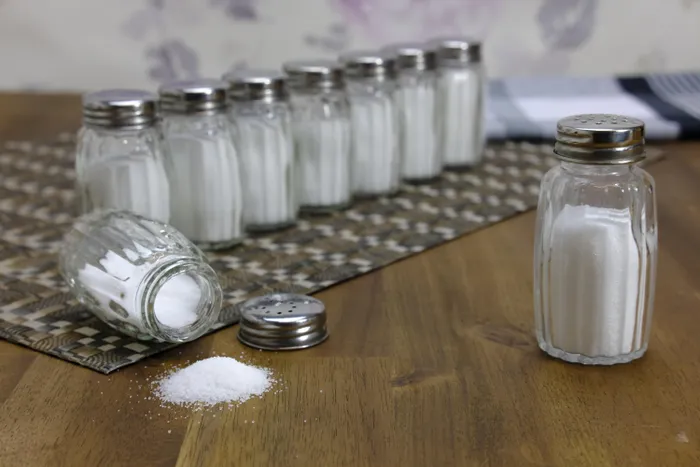
A seemingly small daily habit that many people have is unfortunately adding up to a major health risk.
Image: Pixabay
A SEEMINGLY small daily habit that many people have is unfortunately adding up to a major health risk.
Currently, South African’s average salt consumption is 7 to 8 grams per day — well above the recommended limit of 5 grams (about a teaspoon) for adults. What seems like a minor excess is, over time, quietly driving serious public health consequences.
As a result, high blood pressure is on the rise in sub-Saharan Africa, a chronic condition influenced by high salt intake, leaving many people unaware of the dangers of salt or the impact that uncontrollable high blood pressure may already be having on their health.
“Salt is something most people rarely give a second thought to,” says Denelle Morais, marketing and communications manager at Bestmed Medical Scheme. “But the reality is, excessive salt intake is one of the leading contributors to high blood pressure, largely because people often don’t realise just how much they are consuming.
“As the world is already observing Salt Awareness Week from 11 to 17 May, culminating in World Hypertension Day, the link between high salt intake and high blood pressure should not be ignored.”
Salt is a staple in every kitchen. While it enhances flavour, preserves food, and plays an important role in the body, in excess, it becomes a silent driver of chronic diseases, contributing to one of the country’s most pressing health challenges — hypertension, or commonly known as high blood pressure.
What makes this issue particularly concerning is that much of the salt we consume is not what we sprinkle onto our meals. Daily salt intake should rather be measured by how much is already in the food that consumers buy.
In fact, up to 70% of the salt consumed is hidden in everyday processed foods such as bread, sauces, and ready-made meals, making it easy to exceed healthy limits without even knowing it.
“In many cases, people believe they are eating relatively well, but a large portion of their salt intake is hidden in processed foods,” Morais says. “That’s what makes it so difficult to manage. It’s not always visible, and even those who are mindful of their diets can unknowingly exceed recommended limits.”
Excessive salt intake is closely linked to high blood pressure. When sodium (salt) levels in the bloodstream are too high, the body retains water to dilute it. This increases blood volume, placing strain on blood vessels and the heart.
Over time, this can lead to hypertension, a condition often referred to as the “silent killer”, as it typically develops with no symptoms until a serious health event occurs.
In South Africa, the burden of hypertension is already high, with many individuals either undiagnosed or not managing the condition effectively. If left untreated, it can lead to complications such as heart disease, stroke, and kidney failure.
“The impact is not only measured in the number of lives lost but also in the growing strain on the healthcare system,” says Dr Lee Moses, Medical Advisor: Advisory Risk and Quality Management at Bestmed Medical Scheme. “Treating hypertension and related conditions requires long-term care, medication and monitoring, therefore, placing pressure on member’s healthcare resources.”
However, reducing salt intake remains one of the most manageable and cost-effective ways to lower blood pressure and improve overall cardiovascular health. South Africa has already made progress at a policy level, with regulations limiting the amount of salt in certain processed foods.
While these measures have helped to reduce salt intake at a population level, unfortunately, regulation alone is not enough and needs to be supported by individual awareness and lifestyle changes.
Addressing salt consumption doesn’t require drastic change. More awareness and small, consistent shifts can make all the difference. For example:
“Ultimately, addressing excessive salt consumption requires a collective effort. The food industry, policymakers, healthcare providers, as well as individuals, all have a role to play in creating healthier environments and supporting better choices. Reducing salt intake is not about eliminating flavour or enjoyment; it is about protecting long-term health,” Moses says.