

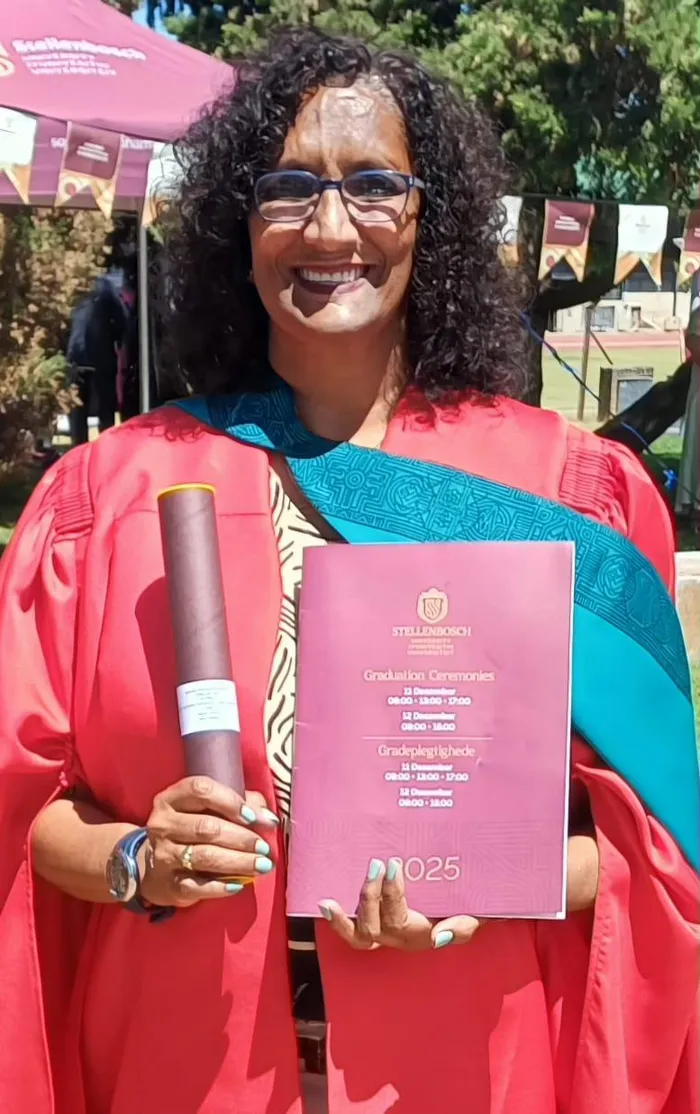
Dr. Vanessa Mitchell
Image: Supplied
Robben Island, often synonymous with the suffering endured by political prisoners during South Africa's Apartheid regime, holds a lesser-known narrative - one where sport blossomed as a beacon of hope, resilience, and self-organisation among those incarcerated. This significant aspect of the prisoners’ lives is underscored by Dr Vanessa Mitchell, Museum and Heritage Education Coordinator at the Robben Island Museum, who recently completed her doctorate in Sport Science at Stellenbosch University, focusing on how inmates transformed their incarceration through the framework of sport.
“Political prisoners used sport not just for recreation, but to organise themselves, educate one another and create a sense of order in a harsh system built on control,” said Dr Mitchell. She explained how sport became a vital tool for resistance, allowing prisoners not only physical release but also emotional expression during their enduring isolation from the outside world.
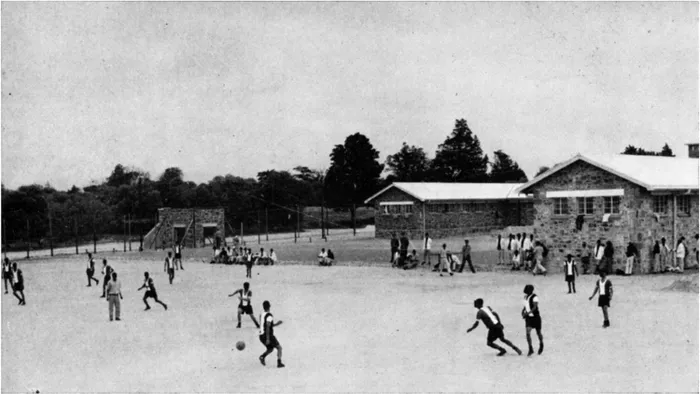
According to research by dr. Dr Vanessa Mitchell political prisoners used sport not just for recreation, but to organise themselves, educate one another and create a sense of order in a harsh system built on control.
Image: Supplied
Dr Mitchell asserts that for the prisoners, engaging in sport was more than mere pastime; it served as a preparation for the freedom they hoped to reclaim.
“Sport on Robben Island mirrored the kind of society prisoners envisioned beyond prison walls – one grounded in rules, fairness, accountability and collective responsibility,” she explained.
Through meticulous research, including archival sources and personal testimonies, Dr Mitchell illustrates the essential role sport played in fostering community and cultural life among the prisoners. They participated in a variety of activities, from chess and card games to volleyball, rugby, and athletics. Lesser-known games, such as kerrim and ludo, also emerged as part of the vibrant sporting life on the island.
“While these histories are essential, they sometimes portray prisoners only as victims of repression,” Dr Mitchell remarked.
“By focusing on sport and everyday self-organisation, my research adds another layer to the story – one that highlights their agency, creativity, and ability to build institutions even in incarceration.”
The act of organising sporting events provided prisoners with opportunities to assume roles as organisers, referees, and administrators, establishing their governance systems under dire conditions. “Self-organised sport was a demonstration that prisoners could govern themselves ethically and collectively, even when subjected to an unjust system of rule,” she said.
The social structure fostered by these sporting activities also eased tensions, opening neutral spaces for dialogue among inmates. Teams encouraged trust and mutual respect, rallying the collective spirit essential for sustained resistance. Matches and administrative meetings served as platforms for debate and negotiation, echoing democratic practices with elections and dispute resolution mechanisms.
Moreover, the initiatives undertaken in sport helped bridge political divides, leading to the formation of clubs irrespective of party allegiance and enhancing the prisoners' political consciousness. “Through shared goals and structured competition, prisoners learned to engage one another across ideological differences,” Dr Mitchell explains.
One notable figure from this narrative is Sedick Isaacs, a prisoner from 1964 to 1977, who initially questioned the relevance of sport but later recognised its importance for collective wellbeing. Playing a pivotal role in establishing volleyball and athletics, Isaacs worked to enhance the sporting codes available to prisoners. He became the secretary of both the Island Rugby Board and the Robben Island Amateur Athletic Association Interim Committee, illustrating the rich fabric of sporting life crafted within the prison walls.
Isaacs, who was responsible for expanding the prisoners’ understanding of sport beyond mere participation, emphasised spectatorship and record-keeping that combined to make sport a fully-fledged social institution on the island. “Through his administrative leadership, sport on Robben Island became not only a recreational outlet, but a structured, self-governing system that reflected discipline, accountability and collective imagination,” Mitchell adds.
Through her research, Dr Mitchell aims to transform the perception of Robben Island from a place of suffering to one also characterised by moments of camaraderie and joy, revealing the multifaceted nature of the human experience even in the direst situations.