

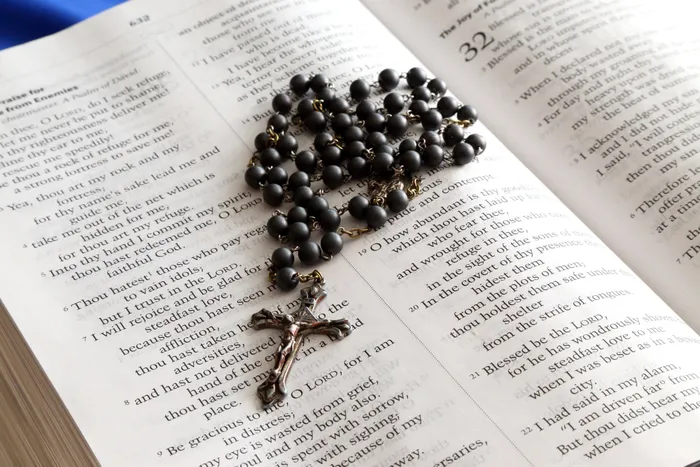
KwaZulu-Natal's Catholic bishops have issued a stern warning that such blending of traditions, known as syncretism, is no longer to be tolerated within the Church
Image: Pixabay
On Sunday mornings, townships, suburbs, and villages across KwaZulu-Natal come alive with the rhythm of Catholic life.
Families rise early, children tug at polished shoes, elders clutch rosaries in their uniforms, and the scent of incense drifts from parish halls as the faithful congregate for Mass.
For many, however, the spiritual week does not end at the church doors. At home, ancestral rituals continue, goats and chickens are slaughtered to honour the ancestors, and traditional healers are consulted.
For generations, the two practices have sat side by side, a rhythm of faith and culture woven into everyday life.
But now, KwaZulu-Natal's Catholic bishops have issued a stern warning that such blending of traditions, known as syncretism, is no longer to be tolerated within the Church.
In a rare joint pastoral letter, Archbishop Siegfried Mandla Jwara of the Durban archdiocese and eight fellow bishops condemned the mixing of Catholic teaching with African spiritual practices such as ubungoma (divination).
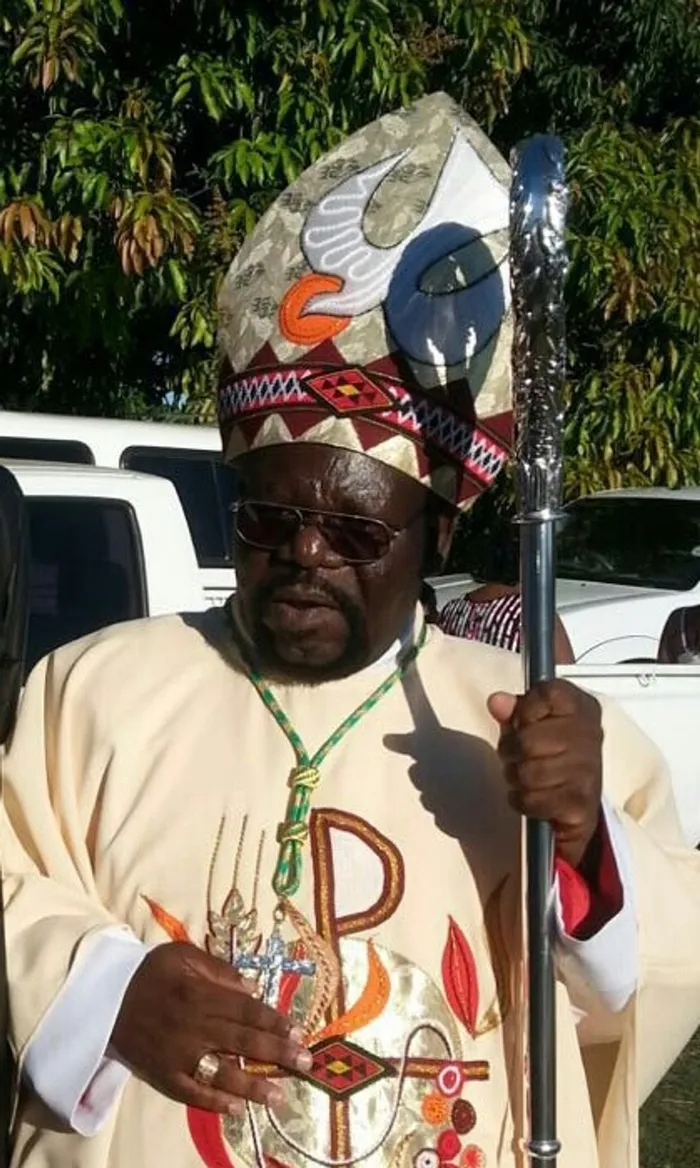
Archbishop Siegfried Mandla Jwara of the Durban archdiocese.
Image: File
The three-page September 16 letter explicitly forbids priests and laypeople alike from seeking the guidance of izangoma (traditional healers), offering animal sacrifices to ancestors, or weaving traditional rituals into the sacraments.
“It is grievous and a source of profound sorrow that some Catholic priests and religious are reported to engage in these practices,” the bishops wrote.
“Any involvement in practices that contradict Catholic teaching constitutes a grave betrayal of sacred trust.”
The statement identifies four areas of concern: consulting traditional healers, attributing divine powers to ancestors, engaging in spirit possession or fortune-telling, and fusing these rituals with Catholic worship.
“The sacraments derive their power from Christ, not from any human tradition,” the bishops said.
“No priest has the authority to introduce elements from other religions into the liturgy.”
Clergy who persist could face suspension or removal from their clerical roles. Lay Catholics, meanwhile, are called to repentance.
The clash between Catholic orthodoxy and African spiritual heritage is not new. Since the arrival of missionaries in the 19th century, many converts have struggled to reconcile baptism and the Mass with ancestral rites of healing, protection, and remembrance.
It was this clash that made the Catholic Church be proactive and introduce inculturation, the process of deeply integrating and adapting a religion's core beliefs and practices into a local culture.
Yet, the spirit of the letter seems to be a regress.
The statement carries the weight of nearly the entire KwaZulu-Natal episcopate. Alongside Archbishop Jwara, it is signed by Cardinal Wilfrid Napier, the apostolic administrator of eShowe; Bishop Graham Rose of Dundee; Bishop Stan Dziuba of Mzimkhulu Diocese; Bishop Neil Frank of Mariannhill Diocese; Bishop Thulani Mbuyisa of Kokstad; Bishop Vusi Mazibuko, vicar apostolic of Ngwavuma; and Bishop Elias Zondi of the Durban Diocese.
By speaking with one voice, the bishops have left little room for ambiguity.
"The offering of sacrifices to ancestors in a manner that attributes divine power to them, as this borders on idolatry and sins against the First Commandment," reads the letter that heavily quotes the Canon Law and the Bible.
The comprehensive letter forbids any practice of spirit invocation, divination or spirit possession, including consultation of clairvoyants, palm readers, tarot card practitioners and the like, "as these are condemned as practices contrary to the honour, respect and loving fear that we owe to God alone."
The list of things prohibited by the bishops' letter:
slaughter of chicken,
use of coloured water,
use of coloured candles,
the blessing of oil,
non-liturgical wild dancing,
healing and ritual services outside liturgical practice
It is not clear what prompted the bishops' letter, but the Catholic Church has in recent years shifted towards embracing a diverse way of praise and worship by blending the rhythms of the drum and ululation in some of its hymns.
The practice, however, differs from parish to parish. Some of the Catholic priests have answered the ancestral calling and have embraced ubungoma.
In 2019 the Church embarked on research on ubungoma to explore how to respond pastorally, theologically, and culturally. Earlier this year, it presented its first report.
Attempts to get comment from Archbishop Jwara who is attending the Interregional Meeting of Bishops of Southern Africa that ends today Sunday, September 28, in eSwatini, were unsuccessful at the time of publishing.