

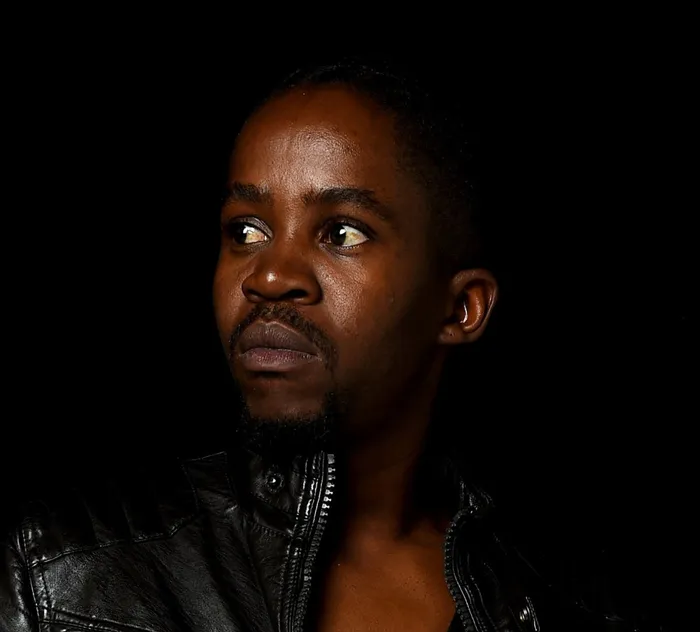
Rabbie Serumula, author, award-winning poet, journalist.
Image: File
In South Africa, nothing becomes history until it is no longer dangerous.
We like to believe we remember people because they mattered. That is only half true. More often, we remember them because they have become safe, filed neatly into a past that no longer threatens the present.
The living do not enjoy that luxury. When EFF leader Julius Malema stood in court and received a five-year sentence, now suspended in the long, uncertain stretch of appeal, he was not entering history. He was being held in the uncomfortable space before it. A space where nothing is settled, where meaning is still contested, and where every action is judged in real time.
This is where danger lives. Not in textbooks, not in commemorations, but in the present tense. In voices that have not softened, in politics that have not agreed to behave. Malema, whatever one makes of him, belongs to that category. He is not yet a lesson. He is still an argument.
And arguments are difficult to teach. At the same time, South Africa is quietly reworking how it will tell its story. The proposed changes to the history curriculum, now open to public submissions, suggest a country trying to decide what should be carried forward, and how. It sounds like an administrative process. It is anything but.
Curriculum is not only about what gets added to the syllabus. It is about timing, about when something becomes acceptable to teach. What enters the classroom has already passed a test of relevance and comfort. It has been debated, softened, shaped into something that can be explained without unsettling the room too much. Even the most radical histories arrive there with their edges filed down, their danger translated into something teachable.
That is the difference between the courtroom and the classroom.
The court deals with danger as it appears, loud, disruptive, unresolved. It does not have the luxury of distance. It must respond, interpret, decide, even when the story is still unfolding.
The classroom, on the other hand, deals with danger that has already passed. It selects from the past what can now be held, examined, and understood without fear of immediate consequence.
The truth is, we do not erase dangerous figures. We wait them out. We wait for time to do its work, for the noise to settle, for the contradictions to become easier to explain, for the urgency to fade just enough that it can be turned into a paragraph, a case study, a footnote. Only then do we call it history.
Until that moment, some people remain suspended, in legal processes and in public meaning. Too present to be neutral. Too contested to be taught. Too alive to be safely remembered.
Julius Malema is not being written into history yet. He is still being handled.
In this country, you are dangerous until you can be taught a lesson.And if the lesson must be prison, then prison becomes the classroom. Not to change the man alone, but to send a message about the idea.