
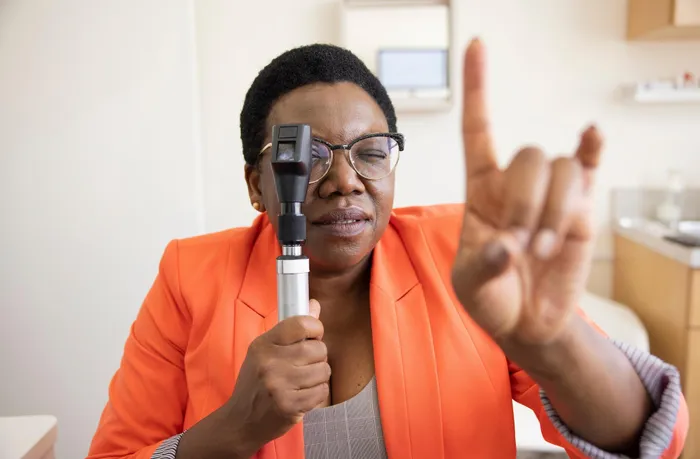
World Sight Day reminds South Africans that early detection and regular eye checks can prevent avoidable blindness.
Image: Supplied
As the world marks World Sight Day on October 9, health experts are urging South Africans to take simple but vital steps to protect one of their most precious senses - their sight.
According to the World Health Organization (WHO), at least 2.2 billion people worldwide live with some form of vision impairment, and nearly half of those cases could have been prevented or remain unaddressed. To mark the day, Roche Diagnostics and Retina South Africa are highlighting seven key facts about protecting vision.
1. Get your eyes tested regularly Many eye diseases develop silently, showing no symptoms in their early stages. A comprehensive eye exam can detect conditions such as glaucoma or diabetic retinopathy before they cause irreversible damage. “An annual eye examination can detect retinal disease early and help prevent avoidable vision loss,” said Claudette Medefindt, Head of Science at Retina South Africa. “We want people to know they don’t have to face vision problems alone – reach out to us for guidance and support.”
2. Understand the role of the retina The retina — a thin layer of tissue at the back of the eye — is essential for sight. Diseases like age-related macular degeneration (AMD) or diabetic macular edema (DME) damage this area, leading to central vision loss. These conditions are irreversible but manageable with early detection.
3. Manage diabetes carefully People with diabetes are at a high risk of vision loss due to diabetic retinopathy, one of the leading causes of blindness globally. Regular dilated retinal exams — every one to two years - can detect early signs of damage.
4. Prioritise vision care at every age Eye health matters for everyone, from children to seniors. Screenings for “lazy eye” in children can prevent lifelong problems, while adults over 60 are more prone to cataracts, glaucoma and AMD. Experts recommend annual check-ups for seniors.
5. Live a healthy lifestyle Simple habits like eating a balanced diet, exercising regularly, quitting smoking and protecting eyes from UV light can reduce the risk of retinal and age-related eye conditions. Controlling blood sugar and blood pressure is also crucial for long-term eye health.
6. Embrace new innovations Modern therapies in ophthalmology are improving the lives of people with retinal diseases, helping them maintain sight with fewer hospital visits. “The power of science is creating practical, human benefits that can be life-changing for people experiencing vision loss,” said Roche.
7. Take small steps — they matter Protecting vision begins with awareness. Whether it’s booking an eye exam, encouraging a loved one to check their eyes, or supporting community awareness campaigns, every action makes a difference.
Experts warn that vision loss impacts not only eyesight but also independence, mental health, and quality of life. “By protecting our eyes, we preserve our dignity and the ability to live fuller, more satisfying lives,” said Medefindt.
For information and support, visit www.retinsa.org.za