

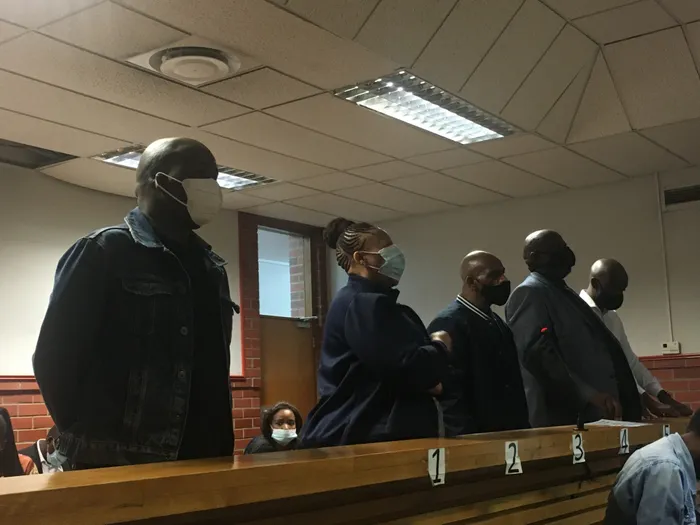
From left, former detective Bonginkosi Dlamini, Sibongile Ndlovu, Felokwakhe Ndlovu, former Lt. Colonel Khephu Ndlovu, and Lindokuhle Mbonambu at the Pinetown Regional Court.
Image: Nomonde Zondi
The Pinetown Regional Court has been urged by the defence to show leniency in sentencing former detective Bonginkosi Dlamini, who was convicted of accepting a R120,000 bribe to fudge evidence in a 2018 murder case.
Earlier this week, Advocate JP Broster, representing Dlamini and former Lieutenant Colonel Khephu Ndlovu, argued that Dlamini played a lesser role in the crime, limiting his involvement to “two phone calls and a meeting in October”, drawing a comparison to the conduct of Sibongile Ndlovu, the wife of a convicted killer, Felokwakhe ‘Induna’ Ndlovu.
Broster asked the court to consider the significant time Dlamini has already spent incarcerated —six years and two months. This period, he contended, should serve as a substantial and compelling circumstance for the court to deviate from the prescribed minimum sentence.
Furthermore, Broster highlighted Dlamini’s testimony regarding the ‘inhumane’ and deteriorating prison conditions over the last two years.
The defence also brought attention to Khephu’s mental health, stating he has been suicidal since his incarceration following his conviction in 2025.
Vusi Tembe, representing Sibongile Ndlovu, also sought leniency, citing her six years in custody and the fact that her children, aged 11 to 27, are now living unsupervised. He noted that her crime was not directly linked to firearms, but left the decision on declaring her unfit to possess a firearm to the court.
Dlamini was investigating the murder of Thulani Nxumalo, an ANC branch leader in KwaNdengezi, who was killed for opposing Felokwakhe’s illegal sale of Ingonyama Trust land meant for community development. Felokwakhe has since been sentenced to life imprisonment by the Durban High Court.
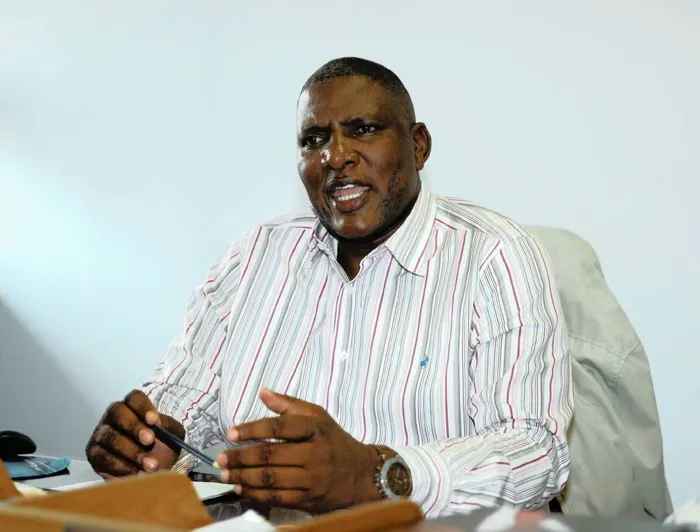
Former police spokesperson Lieutenant Colonel Khephu Ndlovu is now convicted of corruption and defeating the administration of justice.
Image: Supplied
Sibongile withdrew the money for bribery and met the police officer in 2020 at the Durban Central police station to exchange money to secure her husband’s acquittal.
Their son, Lindokuhle Mbonambi, hid the murder weapon. Dlamini, Khephu, the Ndlovu couple, and Mbonambi were convicted in 2025 of defeating the administration of justice and corruption.
Deputy Director of Public Prosecutions Advocate Lawrence Gcaba strongly opposed the defence’s request for a lesser sentence, citing the persistent efforts by Dlamini and Sibongile to delay the court proceedings.
“The record will show that there was an attempt by Dlamini to stop the sentence proceedings. That is the extent to which he has tried to delay this matter. He has filed interdicts in the High Court to stop these proceedings. Filed for the recusal of the court, applied for bail on facts, and changing lawyers numerous times caused the matter not to proceed,” Gcaba said.
He said that although Dlamini has a right to bring an application to any court, the downside is that it causes delays. Moreover, he said Dlamini’s co-accused could have opposed all his applications as they had that right.
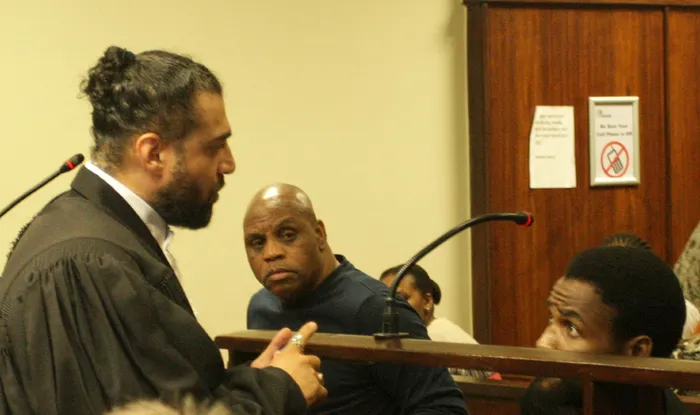
A senior police officer accepted a bribe to weaken evidence against Felokwakhe Ndlovu in a murder case. Ndlovu has since been sentenced to life imprisonment.
Image: Tumi Pakkies / Independent Newspapers
Gcaba argued that the six years spent in custody by Dlamini and Sibongile cannot be viewed as a compelling reason to deviate from the minimum sentence, given that they caused the delays.
He also argued that the defence could not ask the court for mercy when sentencing Dlamini, especially since Dlamini had not explained his decision to turn his SAPS badge upside down.
Furthermore, Gcaba found it distressing that Dlamini, who had interfered with a State witness, Celani Dlamini, was now seeking the court's compassion, given Dlamini's awareness of the risks Celani faced as a witness in the murder case.
He said Khephu could have done better as a senior police officer by stopping the offence when he was first approached.
Regarding Khephu’s medical condition, Gcaba noted that the prison system is equipped to handle it, adding that a reaction to incarceration for a person of his age is not surprising.
Gcaba urged the court to impose the minimum sentences when it delivers its ruling in late April.
nomonde.zondi@inl.co.za