

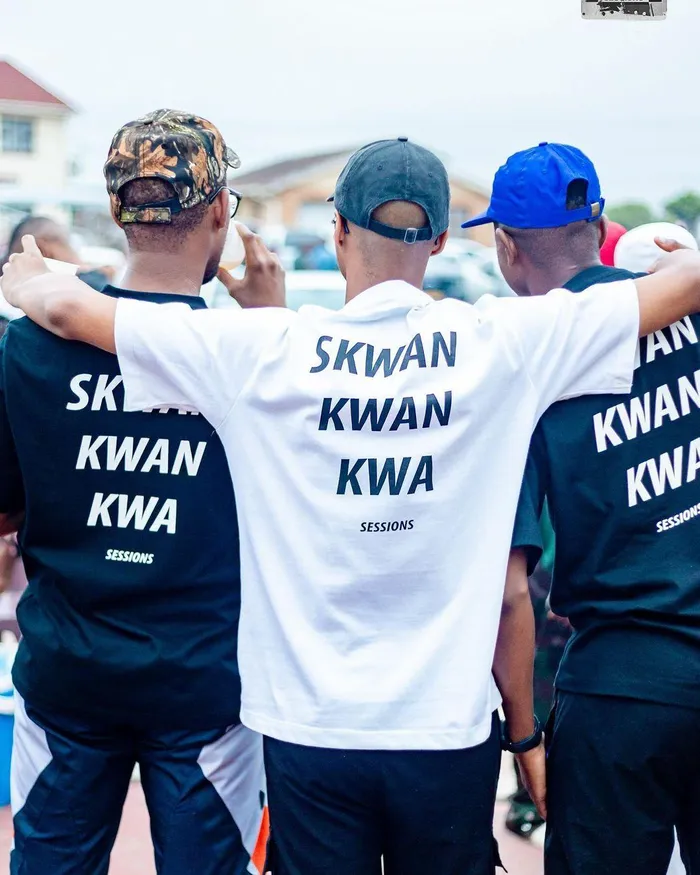
Skwankwankwa, a fast-rising lifestyle movement based in Gqeberha, blends amapiano, gqom, alternative sounds, street fashion, and township identity into a high-energy cultural experience.
Image: Supplied
WHAT began as a grassroots township event has evolved into one of the Eastern Cape’s most dynamic youth-driven cultural platforms, demonstrating the growing economic and entrepreneurial power of young creatives outside South Africa’s traditional entertainment capitals.
Skwankwankwa, a fast-rising lifestyle movement based in Gqeberha, blends amapiano, gqom, alternative sounds, street fashion, and township identity into a high-energy cultural experience. Now celebrating its second anniversary on February 28, the platform is increasingly being recognised not just for its cultural influence, but for its role in stimulating local economic activity.
At a time when youth unemployment remains a pressing national challenge, Skwankwankwa represents a different narrative — one of self-starting entrepreneurship, collaboration, and community-driven opportunity.
What started as a small creative gathering has grown into a recognisable youth brand with a loyal, socially engaged audience. Through ticket sales, vendor partnerships, fashion showcases, digital content creation, and event production, Skwankwankwa has created opportunities for local DJs, photographers, stylists, videographers, designers, food vendors, and small business owners.
The growth of the platform reflects a broader shift in South Africa’s cultural landscape, where regional cities such as Gqeberha are producing influential creative movements independent of Johannesburg, Cape Town, and Durban.
Rather than waiting for institutional backing, the collective behind Skwankwankwa has relied on digital traction, strong visual identity, and word-of-mouth momentum to build its audience. Social media has played a key role in amplifying the brand beyond provincial borders, positioning it as a rising name within youth culture.
Importantly, the platform demonstrates how township-driven initiatives can evolve into structured entrepreneurial ventures. Planning, marketing, brand partnerships, and production management have become integral to its sustainability, turning cultural passion into a viable enterprise.
“Our goal has always been bigger than music and fashion,” according to Count More, co-founder. “Skwankwankwa is about showing that young people can create opportunities for themselves and others — building businesses, supporting local talent, and proving that township-driven culture can drive real economic growth.”
“Each event is an ecosystem in itself,” adds Malibongwe Piet, co-founder. “From vendors and creatives to event staff, we are creating pathways for entrepreneurship and economic participation. It’s about empowering the youth while also celebrating their culture in a tangible, sustainable way.”
The 28 February anniversary event marks a milestone moment, offering insight into how youth-led events can move beyond entertainment to become catalysts for economic participation and creative industry growth.
Skwankwankwa also signals a decentralisation of South African pop culture. Regional youth are increasingly shaping their own entertainment ecosystems, blending global sounds with a distinctly local identity. The result is a cultural model that is hyper-local yet digitally connected, grassroots yet commercially aware.
As South Africa continues to confront youth unemployment and economic inequality, platforms like Skwankwankwa highlight the role that creative entrepreneurship can play in building alternative pathways to opportunity.
In Gqeberha, the message is clear: youth culture is not only influencing the national conversation — it is building businesses, creating jobs, and redefining what economic participation can look like for a new generation.