

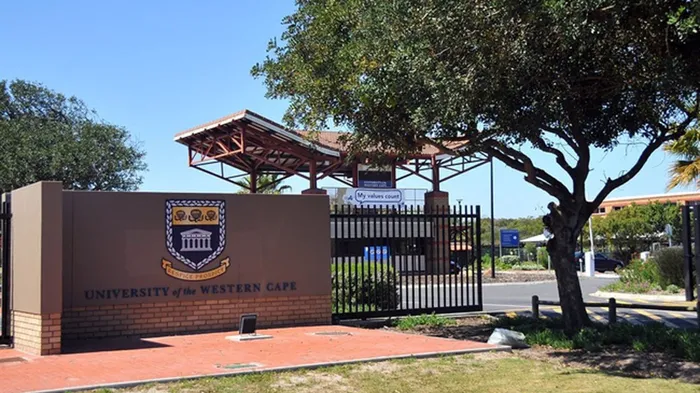
UWC has launched a targeted food support campaign aimed at preventing hunger among students while they await NSFAS disbursements.
Image: Supplied
Anticipating a repeat of the annual funding gap that leaves many students without food at the start of the academic year, the University of the Western Cape (UWC) has launched a targeted food support campaign to prevent hunger among students while they await National Student Financial Aid Scheme (NSFAS) disbursements.
Based on patterns from previous years, the university expects that approximately 10 000 students may require food support between February and April, the period before NSFAS allowances are typically paid.
More than 60% of UWC students rely on NSFAS funding. While the scheme plays a critical role in widening access to higher education, allowances are usually only released in March or April, leaving a gap at the start of the academic year, when students have already registered, relocated, and begun attending lectures.
"Historically, this is a high-risk period for students," said Gadnaan Allister from UWC. "We have seen, year after year, how delays in funding lead to students missing lectures, struggling to concentrate, and, in some cases, dropping out altogether. The Feed the Need campaign is about intervening early to prevent that ripple effect."
The NSFAS has faced ongoing challenges nationally, including administrative backlogs, delayed allowance payments, accommodation funding delays, and system changes, which have contributed to uncertainty at the beginning of academic years. While improvements have been introduced, universities continue to plan for the impact of late disbursements on student wellbeing.
At UWC, the anticipated need translates into a significant resource requirement. The university estimates that approximately R7.4 million worth of food will be needed to support affected students for about two months.
"Hunger is not an abstract issue," said Allister. "When students don’t have food, it affects attendance, academic performance, mental health, and retention. Nutrition is essential for learning."
The human impact of the funding gap has been documented through students’ lived experiences. During UWC’s Hunger Hearing, hosted by the Institute for Social Development in August 2025, students spoke openly about what typically happens when allowances are delayed.
"When I arrived at UWC, after paying my rent, I had to buy food," one student said. “The food is not nutritious. I just buy food to sustain me through the whole month."
Another student described the abrupt loss of support after school: "There is a lot of support from the government at primary school and high school, but when you transition to university, all that support immediately disappears."
Students also highlighted the mental and emotional strain linked to food insecurity. "Within the context of historically Black universities, hunger affects your mental health," one participant told the hearing.
For first-year student Gerhard* (not his real name) from the Northern Cape, the university’s early intervention offers reassurance as he waits for his funding to be finalised.
"In the beginning, you don’t know how you will manage while waiting for NSFAS," he said. "Knowing there is food support means I can focus on my studies."
Through the Feed the Need campaign, students will have access to simple, nutritious meals, including staples such as rice, beans, and vegetables. The university has emphasised that all assistance will be provided discreetly and with dignity, in recognition of the stigma often associated with hunger.
"This is about care, not charity," Allister said. "Our responsibility is to create the conditions where students can succeed."
The university is calling on staff, alumni, corporates, philanthropic organisations, and members of the public to contribute cash donations or non-perishable food items, enabling UWC to respond flexibly should the anticipated need materialise.
lilita.gcwabe@inl.co.za