

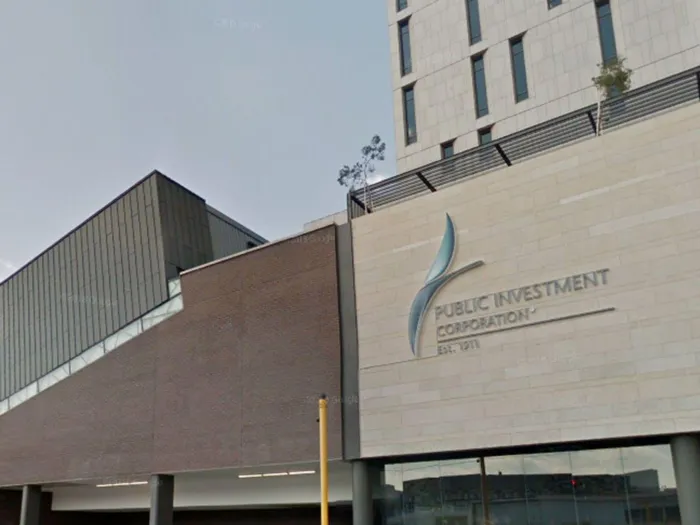
A fierce battle is underway for control of the Public Investment Corporation.
Image: IOL / File
THERE is a fierce battle underway for control of the Public Investment Corporation (PIC), Africa’s largest asset manager, entrusted with over R3 trillion in assets.
According to highly placed sources, the tension reached a climax with the organisation severely divided over the suspension of its chief investment officer (CIO), Kabelo Rikhotso, earlier this week.
On one side stands the established board of directors, and on the other, a challenging faction, reportedly linked to former spokesperson Adrian Lackay, which — according to insiders — is attempting to wrest control of the PIC through covert manoeuvres.
The sources alleged that the “Lackay grouping” had actively intercepted communications involving senior PIC executives and was orchestrating a campaign to remove the current board and install a new one.
“They have been intercepting internal memos, email threads, WhatsApp messages — basically anything they can lay their hands on,” the sources said. “The goal is to create enough confusion, to muddy the waters, and then push for a replacement board under their influence.”
The sources claimed that operations had intensified over recent weeks, in anticipation of internal ANC contests for leadership. “Who runs the PIC controls access — to capital, to portfolios, to deals.”
When reached for comment, Lackay said the decision by the PIC Board to suspend the CIO and the reasons for the decision were set out in the media release.
The PIC statement read in part: “Effected in line with applicable labour legislation and internal PIC policies and procedures, the suspension is intended to ensure a fair, objective and independent investigation into these allegations. The suspension does not, in any way, constitute a finding nor is it a pronouncement of any wrongdoing on the part of the CIO.”
Lackay could not be drawn to comment on the claims regarding his alleged involvement in the ongoing turmoil at the PIC. He was asked whether he denied any role in attempts to influence or replace the PIC board and whether he had communicated with PIC executives or political figures about board changes, suspensions, or strategic decisions in recent weeks.
This week’s shock move to place Rikhotso on precautionary suspension is now being framed as a key flashpoint.
The PIC board announced the suspension “in line with applicable labour legislation and internal PIC policies and procedures … to ensure a fair, objective and independent investigation into these allegations”. They stressed that the suspension “does not, in any way, constitute a finding nor is it a pronouncement of any wrongdoing”.
Acting in Rikhotso’s stead is August van Heerden, the PIC’s chief risk officer.
Observers said Rikhotso’s suspension might not be merely disciplinary, but a tactical move: it deprived him, a significant power centre within the PIC, of traction and created a vacuum that could be exploited by the rival faction.
Deputy Finance Minister David Masondo, also chairperson of the PIC board, defended the decision, saying it was a necessary prudential measure: “We strongly want to categorically state that we are in no way pronouncing any verdict on the allegations of misconduct. This is due process.”
But beyond financial levers, insiders believe the struggle is deeply political, tied to ANC internal alignments. Control of the PIC offers patronage, project allocation, and the ability to underwrite strategic sectors. In the run-up to ANC leadership battles, the ability to reward or withhold funding becomes a strategic lever.
One insider remarked: “It’s no accident this push is happening now. The people behind it believe that, once they have key players in place at the PIC, they can tilt the whole public investment agenda in favour of their faction.”
However, according to reports, the PIC has been actively managing internal governance challenges through established processes, with institutional backing from government authorities and oversight committees emphasising transparency and fiduciary responsibility.
Prior governance reforms have been implemented based on findings from the Mpati Commission and other investigations, including the establishment of an ethics office and strengthened oversight measures to address prior governance failings.
In its statement, the PIC said it remained firmly committed to the highest standards of accountability and corporate governance, and to serving the best interests of its clients.