

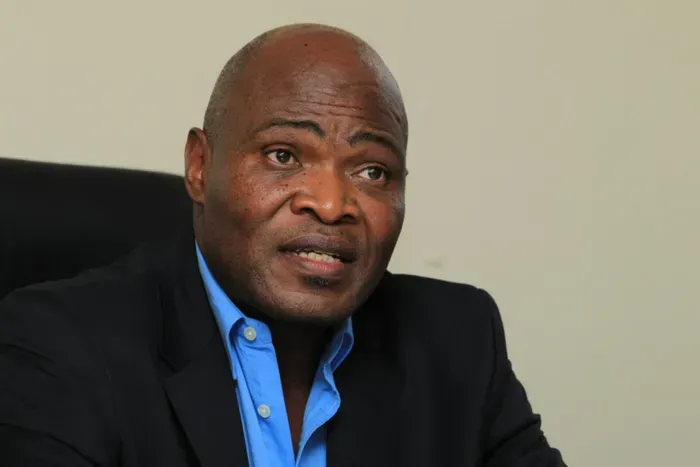
Former chairperson of KwaZulu-Natal Ingonyama Trust Board, Sipho Ngwenya, has been ordered by the high court to pay R30 million within 30 days to Ingonyama Trust.
Image: File
The Pietermaritzburg High Court has ordered Sipho Ngwenya, the former chairperson of the Ingonyama Trust Board (ITB), to repay more than R30 million to the Ingonyama Trust within 30 days.
This order stems from an unlawful transfer of funds from the Ingonyama Trust to Ngwenya’s lawyer, Jafta Incorporated trust account, which occurred under Ngwenya's instruction.
The High Court found that Ngwenya, who is a former judge, lacked the ITB's authorisation to transfer funds from a property sale between the eThekwini Municipality and the Ingonyama Trust to Jafta Incorporated.
Ngwenya had also previously defied court orders from 2024 and 2025 that required him to explain his authority for moving funds that should have remained in the ITB's bank account.
According to Vela Mngwengwe, former CEO of ITB, the Ingonyama Trust and eThekwini Municipality signed a sale agreement for land in Hammarsdale on June 29, 2018, for R31,172,000, which included occupational rental.
“The ITB had authorised the sale for R30,982,000. Mason Incorporated was appointed as the conveyancer for the property transfer,” Mngwengwe explained in his affidavit
In October 2022, Ngwenya, acting on behalf of the ITB, he instructed Mason in writing to pay R5 million into Ingonyama Holdings bank account (a subsidiary of Ingonyama Trust) before the property transfer registration.
Mason complied, but Mngwengwe stated that the agreements clearly stipulated that the purchase price should be paid to the seller's bank accounts, not to Ingonyama Holdings. He further emphasised that Ngwenya had no authority from the ITB to do this.
Subsequently, in December 2022, Ngwenya instructed Mason to pay the remaining balance of the purchase price into the trust bank account of Jafta Incorporated, which Mason did. Upon discovering the payments made, Mngwengwe issued a letter of demand for repayment.
In January 2024, Philani Jafta, managing director of Jafta Incorporated, cited client privilege as a reason for not fully responding.
In June 2024, Strauss Daly Attorneys, representing ITB, requested Ngwenya to provide written authority for the fund transfers to Jafta's trust fund.
The letter from Strauss Daly stated: “If no document of authority exists, please assist us with a written explanation as to the reasons for the payment to Jafta Incorporated and the connection between such payment.”
Mngwengwe confirmed that Ngwenya never responded to this letter. Instead, Ngwenya requested that Strauss Daly satisfy Rule 7 (1) by demonstrating their authority to act for both the Ingonyama Trust and its board, the ITB. In spite of Strauss Daly providing the information he requested, Ngwenya remained unsatisfied.
Advocate S Mlondo, Ngwenya's lawyer, argued that Mngwengwe’s affidavit failed to address his client's concerns about Strauss Daly and whether the decision to initiate legal proceedings aligned with corporate governance principles and was appropriately authorised.
However, Advocate Credo Mlaba, instructed by Strauss Daly, countered that Ngwenya's actions were a delaying tactic to avoid accountability.
Mlaba asserted that Ngwenya “has no serious defence” and displayed a disregard for court orders.
nomonde.zondi@inl.co.za