

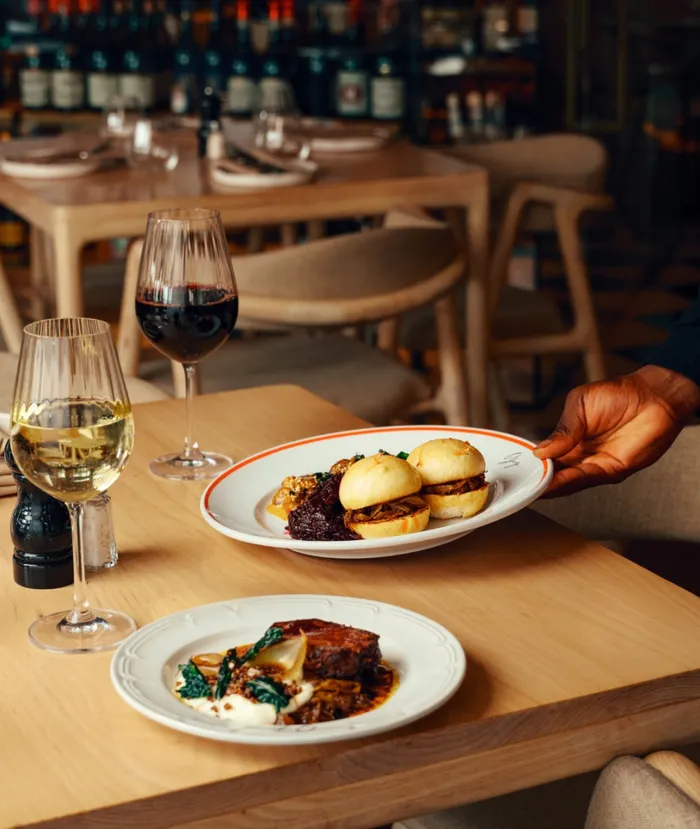
Chefs are looking inward, reimagining childhood memories and family lineages through modern techniques.
Image: Instagram / gigi_jhb
As 2026 begins, we are seeing a move away from "pistachio everything," overpriced matcha, and the frantic chase for the next viral smash burger. Instead, South Africans are looking for value, connection, and quality.
Dinner parties have evolved from casual accidents into planned, creative projects. For many, hosting has become a primary hobby, complete with themed menus, curated playlists, and handwritten place cards. This desire for order and beauty within our own spaces is a response to a chaotic world.
This impulse has reached the professional world, too, with the rise of intimate supper clubs. These one-off, choreographed evenings sit somewhere between a dinner party and a performance, offering a temporary, intentional escape.
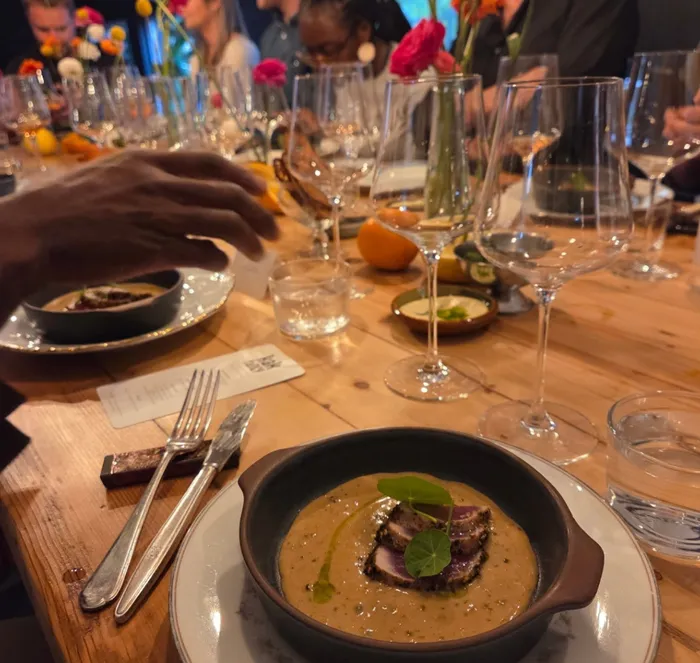
Chefs are looking inward, reimagining childhood memories and family lineages through modern techniques.
Image: Instagram / vino_roi
While big luxuries may feel out of reach, small indulgences have become non-negotiable. Whether it is a daily artisan coffee, a fresh pastry, or a well-made cocktail at the end of the week, these modest pleasures provide affordable joy without a massive cash outlay.
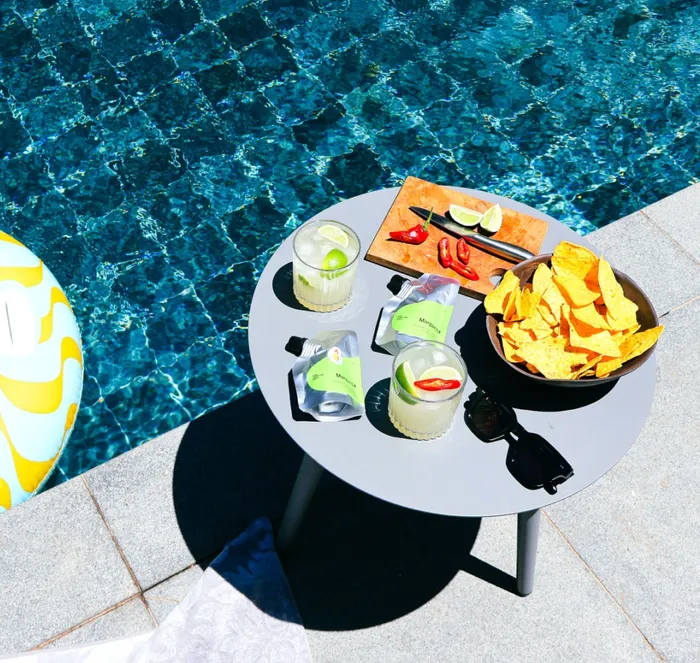
While big luxuries may feel out of reach, small indulgences have become non-negotiable.
Image: Instagram / pienaarandson
Texture has moved from a supporting role to the star of the show. We are seeing a growing appetite for "chew," influenced heavily by Korean and Japanese cuisine.
Elements like mochi and rice cakes are now common finds, proving that how food feels in the mouth is just as important as how it tastes.
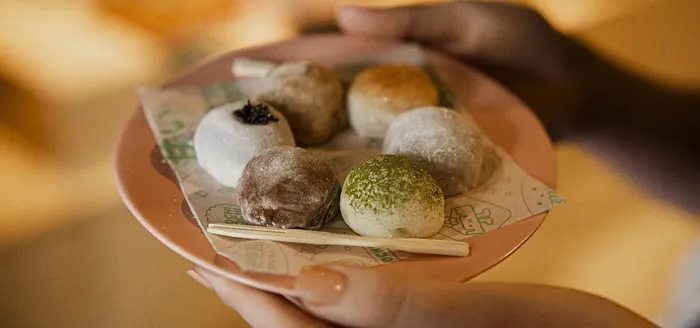
Elements like mochi and rice cakes are now common finds.
Image: Instagram / mochimochi_za
Move over, cauliflower; the humble cabbage is taking over. It is inexpensive, versatile, and carries a sense of nostalgia.
Whether roasted until sweet or served with bold, salty accents, cabbage is proving that simple ingredients can be refined.
As one observer noted: "A recent sweet and salty dish of grilled cabbage... wilted and perfectly soft, finished with blue cheese and chestnut paste, was a standout for me at the end of 2025."
With fewer nights out feeling affordable, diners are choosing certainty. We are returning to familiar rooms and beloved dishes prepared by trusted hands.
Money is tight, so a night out needs to feel assured. This has also led to a preference for à la carte dining over long, exhausting tasting menus.
Being able to order exactly what you want, when you want it, has regained its appeal.
There is a noticeable shift toward fish-forward menus. Chefs are asking diners to look toward our generous coastlines for sustainable, simply prepared seafood. This feels less like a trend and more like a necessary correction for a coastal nation.
At the same time, nostalgia is anchoring many new menus. Chefs are looking inward, reimagining childhood memories and family lineages through modern techniques. These dishes treat familiarity as something quietly joyful and worth revisiting.
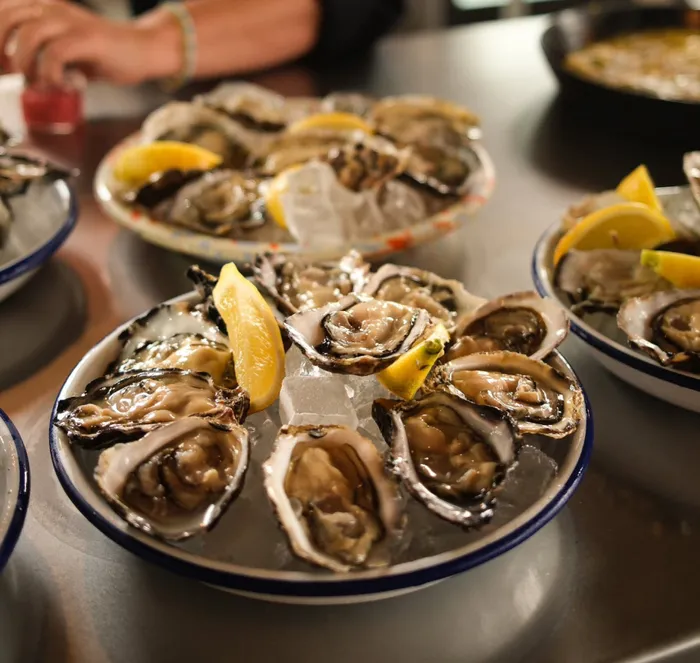
Chefs are asking diners to look toward our generous coastlines for sustainable, simply prepared seafood.
Image: Instagram / saldanha_wine_and_spirit_co / eastafternoon
How we discover food is changing. We are moving toward "spontaneous creator advertising," where viral, authentic moments drive sales more than polished corporate campaigns. Marketers are learning that the most powerful advocacy comes from creators going rogue with genuine enthusiasm.
If this year has a theme, it is that extravagance has lost its shine, but pleasure hasn’t. We are becoming more selective, choosing loyalty over novelty and pleasure over performance. We still want to be curious, but we no longer have patience for excess that doesn't deliver on quality.