

Zimbabwe’s 2017 coup was shaped by gender dynamics, from Grace Mugabe’s political ambitions to the silence of international diplomats. Though seen as unique, it followed familiar patterns of power, identity, and global convenience.
Image: Supplied
Have you ever wondered how gender dynamics can influence political events? It’s fascinating to think about how the roles and ambitions of women can shape the course of history, especially during times of political upheaval.
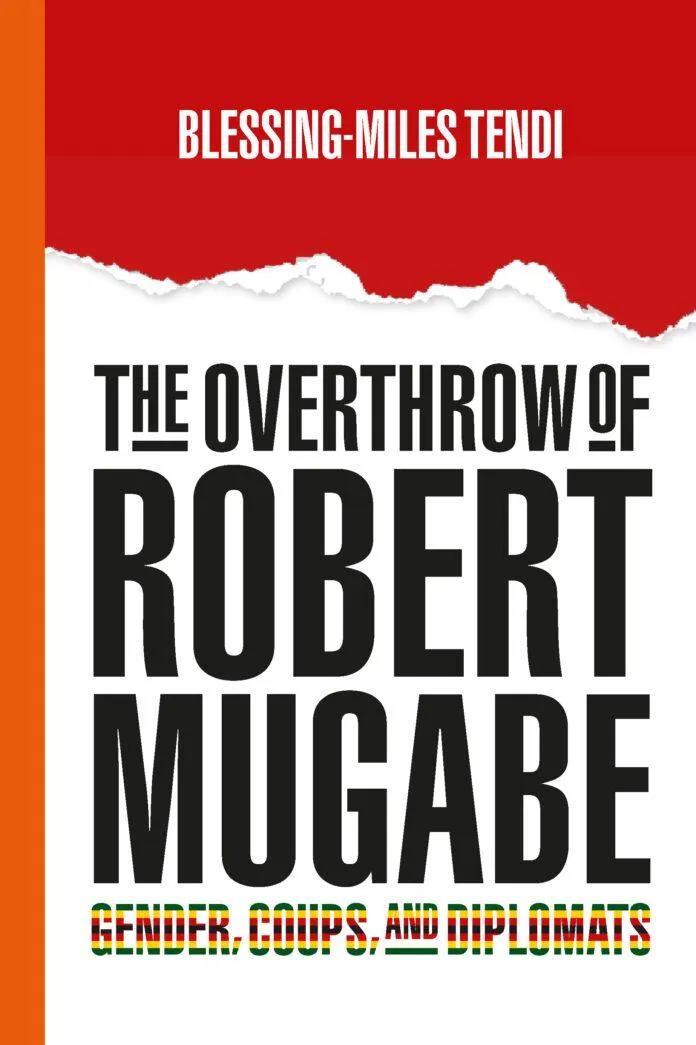
As I reflected on various political events, I realised that many narratives often overlook the significant contributions and influences of women. This thought led me to explore 'The Overthrow of Robert Mugabe: Gender, Coups, and Diplomats' by Professor Miles Tendi.
In this insightful book, the author delves into the 2017 military coup that ended Robert Mugabe’s long and controversial rule over Zimbabwe. What I didn’t expect was to discover a fresh perspective that highlights the often-overlooked role of women and gender politics in such significant events.
As I read through the analysis, I realised that most discussions about coups tend to focus on military strategies or political power struggles. However, the author makes a compelling case that to truly understand the Mugabe coup, we need to consider how gender shaped the events. It’s pointed out that “gender and women’s politics pervade military coup causes, dynamics, justifications, and international responses.” This insight really made me rethink the narrative surrounding the coup.
One of the most striking examples shared is the role of Grace Mugabe, Robert Mugabe’s wife. Her ambitions played a crucial part in triggering the coup. The rivalry between Grace and the older generation of liberation war veterans—many of whom were men with deeply rooted identities tied to their roles in Zimbabwe’s independence—created tensions within the ruling party. This internal conflict ultimately made Mugabe vulnerable, and it was fascinating to see how personal dynamics influenced such a monumental political shift.
Another eye-opening aspect of the work is the international response to the coup. You might expect military takeovers to be condemned across the board, but many diplomats from Western countries and Africa didn’t openly denounce Mugabe’s overthrow. It’s revealed that they “largely refrained from condemning or penalising the coup,” partly because he had lost favour with many of these governments. This lack of reaction really highlights how international politics can be incredibly complex, often prioritising political convenience over legal and democratic principles.
As I continued reading, I appreciated how the 2017 coup was placed within the broader context of Africa’s history of coups. While some might argue that this particular coup was unique, it shares many characteristics with earlier coups on the continent. The author points out “significant continuities in coup characteristics across time,” proving that gendered power struggles and diplomatic calculations have long influenced African politics.
Though the writing can be a bit academic and dense at times, the use of interviews, historical research, and detailed explanations makes the book credible and insightful. It challenged my assumptions and helped me see coups as more than just battles for political control. They are events deeply shaped by social, gender, and international factors.
If you are interested in African politics, power dynamics, and how gender influences history, I highly recommend this book. It’s a powerful and original read that will leave you thinking differently about coups and the forces that drive them.
* The Overthrow of Robert Mugabe: Gender, Coups, and Diplomats is available at Exclusive Books.