

The recent release of the Department of Basic Education’s (DBE) Learning and Teaching Support Material (LTSM) catalogue is a critical intervention aimed at addressing precisely this challenge.
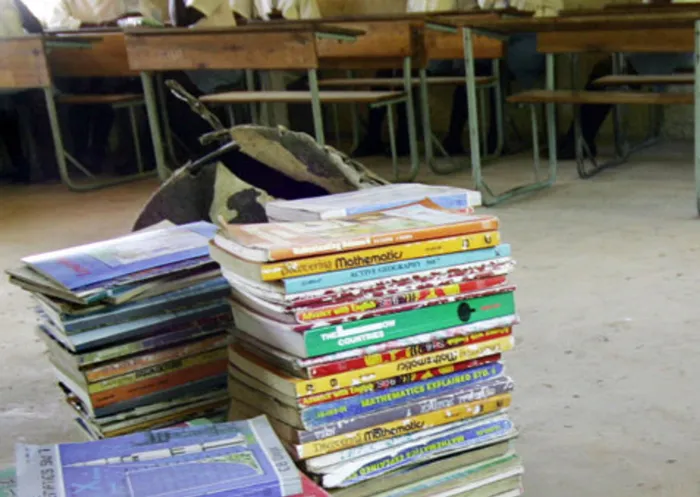
Image: Independent Newspapers | Archives
SOUTH Africa’s education system cannot afford distractions when it comes to one of its most urgent priorities: improving reading outcomes in the Foundation Phase.
The recent release of the Department of Basic Education’s (DBE) Learning and Teaching Support Material (LTSM) catalogue is a critical intervention aimed at addressing precisely this challenge. Yet, instead of constructive engagement, the release of the catalogue may be derailed by allegations of corruption and impropriety.
These misguided claims, amplified by sections of the media, risk distorting public understanding of what is, in fact, a structured and quality-driven reform process.
At the centre of the controversy is a fundamental and consequential error: a misunderstanding of how and why the catalogue is created.
Over a two-year period, following an open call for submissions in 2024, the department oversaw the development and screening of learning materials aligned to evolving evidence on how children learn to read, particularly in African languages, where historically there has been a shortage of high-quality, culturally relevant resources.
I say more on this later, but let’s turn to the procurement part driving the media discussion.
The allegations of a “corrupt tender” rest on a false premise. The government’s procurement of goods or services does not only follow a traditional tender process. Depending on the model and need, different processes are used, and this is one of those occasions.
The catalogue serves as a procurement process managed through creating a vetted pool of approved materials from which provinces and schools may later select and procure textbooks and readers according to their needs and budgets.
The work done so far means that the DBE has identified approved LTSMs for purchase based on the quality of the books and textbooks, but no specific contract with an amount has been signed or paid. It is important that this point is cleared.
Every reader of this article would agree that LTSM books guiding learners and teachers are a core educational deliverable. We can also agree that we all want the best quality of materials in the hands of children.
The integrity of the selection process therefore becomes critical, and our design is deliberate and robust in addressing this. The Terms of Reference governing submissions are publicly available and aligned to National Treasury principles, including value for money, fairness, transparency, accountability, and open competition.
The department issues an invitation for publishers or aspirant publishers, small and big, to indicate their intention to submit materials as per the guidelines. All publishers or aspirant publishers were then given about four (4) months, equally, to develop the materials that they indicated in their “intention to submit”.
More importantly, all materials undergo blind screening: manuscripts are anonymised, stripped of logos, branding, and any identifiers that could introduce bias. This ensures that evaluation is based strictly on content quality and curriculum alignment, not on publisher reputation or market dominance.
The evaluation itself is conducted by curriculum and pedagogy experts, primarily provincial subject advisors, whose role is to determine whether materials meet the required educational standards. Only once this quality threshold is met does pricing enter into consideration in line with the principle of value for money.
All this helps as preparatory information for provinces that will later undertake purchasing. This sequencing reinforces the central point: quality first, procurement later. In my experience, this cataloguing process has led to savings of up to 50%, allowing us to buy more books for more learners, something we should all want.
Let’s turn to the publishers we choose. Unlike the original article, I will not mention any publisher by name because it is a focal point in the process we follow. The publishing industry is dominated by a handful of publishers, but textbooks make up 60% of books published and would therefore correctly draw the attention of major and minor players in the field.
While a select few large publishing companies with a national and/or international publishing footprint have dominated the textbook space for more than 15 years since we started developing national catalogues, deliberate invitation has been made to encourage all kinds of book developers to participate — large and small publishers, independent publishers, NGOs, individuals, academics, and universities.
The DBEs position has always been about ensuring the best quality, at the best price regardless of the publisher. I again want to maintain the same stance.
There are some wild exaggerations that claim 1700+ titles in the catalogue. This claim is misleading. It is based on counting individual components such as readers, posters, and teacher guides rather than complete subject packages.
In reality, each submission represents a structured set of materials aligned to specific grades, languages, and pedagogical requirements. Presenting these components as separate “titles” artificially inflates the scale and distorts the public understanding of the catalogue as purchasing would be by package.
Further, the amount a company will get will be based on school/district/province decisions after bargaining on prices and delivery plan feasibility.
Once the selection is finalised, the delivery plan with milestones and delivery notes is agreed on and implemented between the province and publishers with DBE oversight. As seen in the last 14 years, delivery has been above 90%. It is a well-oiled process, and I expect nothing less in this round.
In closing, I welcome the opportunity to share details on how the LTSM catalogue happens, and as the DG, I welcome all efforts to enhance transparency and scrutinize the process.
* Mathanzima Mweli is the director-general of the Department of Basic Education.
** The views expressed here do not reflect those of the Sunday Independent, Independent Media, or IOL.