

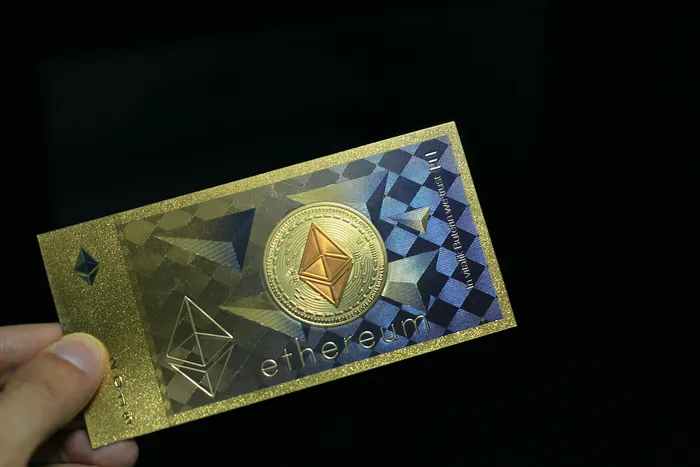
Tokenised gold is a prime example of how real-world assets can be integrated on-chain.
Image: Sergei Tokmakov | Pixabay
TOKENISED gold is acting as a model for future real-world asset tokenisation projects, says D24 Fintech.
The tokenised gold market grew from $1.9 billion in 2025 to $7.13bn in 2026, reaching $178bn in trading volume and a market cap of $6bn. This growth has sparked discussions about its integration into institutional finance.
According to D24 Fintech, tokenised gold is a prime example of how real-world assets can be integrated on-chain. This shift is expanding investors’ access to hedging tools, supported by the rise of dedicated asset tokenisation frameworks and institutional-grade advisory services.
Tokenised gold is a digital representation of physical gold established on a blockchain. Each token corresponds to a quantity of gold held in a secure wallet by a custodian.
D24 Fintech notes that the security of these assets increasingly relies on Multi-Party Computation (MPC) digital wallet solutions, which eliminate single points of failure while maintaining high-speed transaction capabilities.
The infrastructure behind this transition relies on decentralised ledgers that facilitate atomic settlement, ensuring that ownership transfer occurs simultaneously with the payment.
D24 Fintech highlights that integrating smart contracts facilitates the automation of complex compliance workflows, such as dividend distribution or automated rebalancing, without manual intervention.
Additionally, the use of Oracle networks provides a secure, real-time link between the physical vaults and the digital tokens, enabling Chainlink Proof of Reserve (PoR) or similar protocols to verify that every digital unit is backed 1:1 by audited physical bullion in real-time.
“On-chain gold comes with a host of benefits, allowing 24-hour trading and fractional ownership, opening gold investment up to a wider field,” said D24 Fintech. “It has a heavy compliance and custody focus, pushing verified gold backing, regulated custodians, and automated platform screening tools. There is also added potential for its integration as a digital finance application like DeFi.”
Tokenised gold is being actively used for investment and hedging, borrowing cryptocurrency, cross-border payments to avoid expensive shipping costs, and general gifting.
“We are seeing an increasing adoption of tokenised gold in DeFi and traditional finance industries, especially those that hold haven assets,” D24 Fintech continued. “Many investors are looking to tokenised gold amid recent Bitcoin crashes, and, at present, banks and asset managers are looking to capitalise on the tokenised gold boom by leveraging liquidity aggregator engines to eliminate physical handling of gold with clients.
“Considering this, there are acute risks associated with tokenised gold that investors need to be aware of,” added D24 Fintech. “As investors do not have physical possession of their gold, they have to rely on a custodian to hold it for them, and laws surrounding tokenised assets are continuing to evolve, with some nations banning trading altogether.
"The market is volatile, with tokenised gold tracking alongside gold prices, meaning that added liquidity or technical issues create subsequent gaps in pricing, and cybersecurity risks are high with millions of wallets hacked every year.”
“Overall, for tokenised gold to make the greatest impact, countries must establish strong compliance and regulatory readiness. For it to trade smoothly, it requires additional liquidity provisioning and advanced exchange connectivity.
"There needs to be full technology integration with automated KYC/AML tools, smart contracts, and compliance tools operating as one to ensure tokenised gold assets remain secure and auditable,” concluded D24 Fintech.