

South Africa’s liquor laws draw a hard line at age 18 as the legal drinking age, and for good reason.
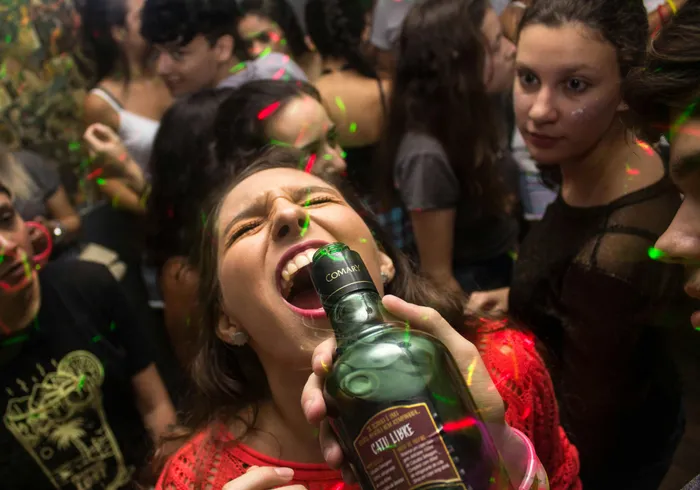
Image: Maurício Mascaro /pexels
SOUTH Africa’s liquor laws draw a hard line at age 18 as the legal drinking age, and for good reason. As a South African liquor lawyer, I often encounter misconceptions about underage drinking.
Some adults assume it’s harmless to let teens have a drink at a family braai or a private party. In reality, serving liquor to anyone under 18 is against the law — whether it’s at a bar, restaurant, or your own home. This stance isn’t just moral posturing; it’s backed by clear legislation with serious penalties.
Below, we explain why it’s illegal to serve minors, the legal foundations of this restriction, the severe consequences of breaking these laws (even in private settings), and the responsibilities parents and other adults have in upholding them.
South African law has long recognised 18 as the threshold of legal adulthood for alcohol purposes. The reason is simple: protecting young people. Minors are generally more vulnerable to liquor’s harmful effects — from impaired judgement and health risks to the potential for addiction.
By setting a legal drinking age of 18, the law aims to curb underage drinking and its related social ills. It aligns with international norms and public health recommendations to keep alcohol out of the hands of those not mature enough to handle its effects responsibly. The goal is to shield youths from alcohol-related harm, accidents, and the type of decision-making they might not yet be equipped to handle.
In terms of the Constitution, each province is empowered to regulate liquor sales to the public. This is done in terms of the provinces’ respective Liquor Acts. Despite this national government decided to include a provision in the national Liquor Act — which regulates the large-scale manufacture and distribution of liquor — which explicitly makes it unlawful for any person to sell or supply liquor to a minor (under 18).
This means whether you are a bottle store owner, a bartender, or just an adult hosting a party, you may not give or sell liquor to anyone under 18. The Act even requires that reasonable steps be taken to verify age (for example, checking ID) before liquor is supplied. It’s not only the sellers who are regulated — the law also prohibits minors from misrepresenting their age or adults from misrepresenting a minor’s age to obtain liquor.
Notably, South African law does not exempt private settings. The same rules apply whether you’re at a pub or your living room. In fact, the national Liquor Act only carves out one narrow exception: a parent or guardian (or a religious officiant) may, on occasion, give a minor a moderate amount of liquor for a religious ceremony, under the adult’s direct supervision.
Aside from that rare scenario — think of a sip of wine during a religious service — no one may supply liquor to a minor in any context. Underage drinking itself is illegal, and any attempt to “demystify” alcohol by providing it at home still runs afoul of the law.
All of the provincial Liquor Acts contain the restrictions. For example, the Western Cape Liquor Act 4 of 2008 echoes the ban on selling or giving liquor to under-18s and goes even further. It stipulates that a licensed establishment must not even allow under-18s into certain parts of the premises designated for liquor sales, such as bar areas or liquor store sections.
If a licence holder lets minors into a restricted area or supplies them with liquor, they commit an offence under the law. Other provinces have similar provisions, all underscoring that the legal system uniformly condemns underage liquor access.
The law is not symbolic — it carries severe penalties to drive the message home. Those caught supplying liquor to under-18s face criminal prosecution. The national Liquor Act provides for hefty punishment: if convicted of selling or supplying liquor to a minor, one can be fined up to R1 000 000 or imprisoned for up to five years. In other words, a supposedly “harmless” drink given to a 17-year-old could result in a criminal record and a jail term. The law is equally strict whether the liquor was sold for profit or handed out for free — any supply to minors is illegal.
Licensed businesses have additional stakes in the game. A pub, restaurant, or bottle store that serves minors can not only incur the same fines and jail risk, but also likely lose its liquor licence. Liquor authorities do not hesitate to suspend or revoke licences when underage sales occur, as protecting young people is a top priority.
Even employees of such establishments can face disciplinary and legal consequences for non-compliance. At the end of the day, the costs — financial, legal, and reputational — of breaking underage drinking laws far outweigh any convenience or profit from serving a minor.
To summarise the consequences of supplying alcohol to under-18s in South Africa:
The law applies everywhere — even in private homes. There’s a common misconception that it’s acceptable to let your teenager have a beer or glass of wine at home under your supervision. While the intention might be to teach responsible drinking, from a legal standpoint, it’s largely impermissible.
Except for the limited religious-use exception noted earlier, serving your own children or their underage friends liquor at home is against the law. Should something go wrong, say a minor at your house party drinks and has an accident, you could find yourself in serious legal trouble.
The responsibility for preventing underage drinking doesn’t fall only on police or liquor inspectors — it’s shared by all adults in the community. Parents and guardians, in particular, play a crucial role.
It’s understandably tempting to think that allowing controlled drinking at home might take away the “forbidden fruit” allure of liquor. However, experts warn that this approach can backfire and does not insulate teens from risky behaviour. More importantly, as we’ve established, it is largely illegal.
Adults must lead by example: obeying liquor laws and setting firm boundaries for youths. That means saying no when a minor asks for a drink, refusing to purchase liquor on behalf of someone underage, and ensuring that any gatherings you host are liquor-free for under-18 guests.
Make sure teens know that it’s unlawful for them to buy liquor or even attempt to deceive someone into giving it to them. Let them know these rules exist for their own well-being – not to spoil the fun, but to protect their safety and long-term development. Upholding liquor laws is part of being a responsible citizen.
By keeping liquor out of minors’ reach, we help foster safer communities and healthier futures for our youth. The legal message is clear: Liquor and minors don’t mix – and it’s on all of us to ensure the law is followed.
* Danie Cronje is an attorney specialising in liquor law.
** The views expressed here do not reflect those of the Sunday Independent, Independent Media, or IOL.