

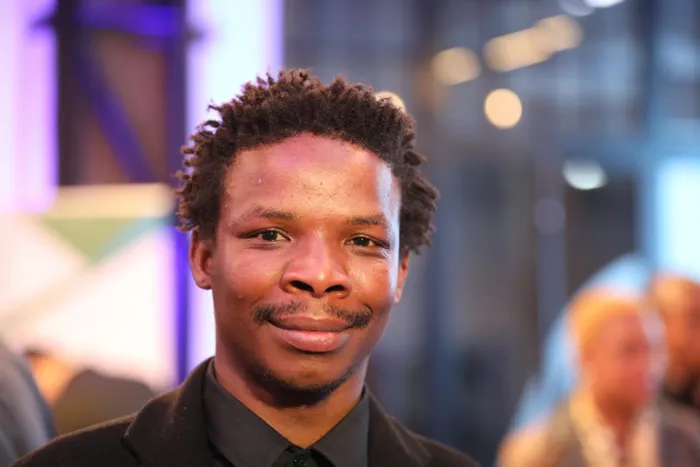
Melisizwe Mayibuye Mandela, great-grandson of the legendary Nelson Mandela, says a Black person in South Africa can be guilty of ignorance, prejudice, or even hatred toward another oppressed group. But racism is a charge that belongs to the system of white supremacy, a system that still shapes this country’s laws, economy, and opportunities.
Image: Supplied
SHOW me a Black-owned system that controls the land, banks, mines, courts, and laws of this country. You cannot, because it does not exist.
A Black person cannot be racist toward another oppressed group under a white supremacist system that still defines South Africa today. That is a historical fact, not a matter of debate.
Let us be clear: racism is not about someone’s opinion or personal dislike. Racism is about power. It is a system that governs who has access to land, wealth, safety, education, and dignity and who does not.
Steve Biko once said: “The most potent weapon in the hands of the oppressor is the mind of the oppressed.” That weapon has worked overtime in South Africa to the point where we now confuse our own prejudices with racism itself.
When a Black person expresses ethnic prejudice toward another Black person, they are not practicing racism. They are mirroring the divisions taught to us by colonialism and apartheid. Let us call it what it is: ethnic prejudice, tribalism, internalised colonial attitudes, ignorance. But not racism.
Racism in South Africa was the deliberate dispossession of the Black majority through land theft, the Group Areas Act, the Pass Laws, Bantu Education, and the migrant labour system. It was, and still is, structural.
Nelson Mandela warned in 1997: “Freedom cannot be achieved unless the women have been emancipated from all forms of oppression.” We must extend this to mean that none of us are free until all of us are free from systemic racial oppression and the architects of that system were not the oppressed but the oppressor.
Today, the same land hunger, economic exclusion, and cultural erasure that defined apartheid still define life in most Black townships and rural villages. To accuse the powerless of racism is to let the powerful off the hook. It is to give the illusion that the wounds of colonialism have healed when they are still bleeding.
A Black person in South Africa can be guilty of ignorance, prejudice, or even hatred toward another oppressed group. But racism is a charge that belongs to the system of white supremacy, a system that still shapes this country’s laws, economy, and opportunities.
To those who insist that Black people can be racist too, I reiterate: Show me the Black-owned system that controls the land, banks, mines, courts, and laws of this country.
Show me the Black power structure that decides who lives in poverty and who lives in wealth. Show me the Black government that wrote apartheid or the colonial maps of dispossession. You cannot because it does not exist.
Until the day comes when Black people hold and wield such power against others, the term racism will remain rooted in the reality of white supremacy. Everything else is a symptom of that system, not the system itself.
We must confront our internal divisions, yes. But we must never confuse them with the real enemy.
* Melisizwe Mandela is a political activist and writes in his personal capacity.
** The views expressed here do not reflect those of the Sunday Independent, IOL, or Independent Media.