

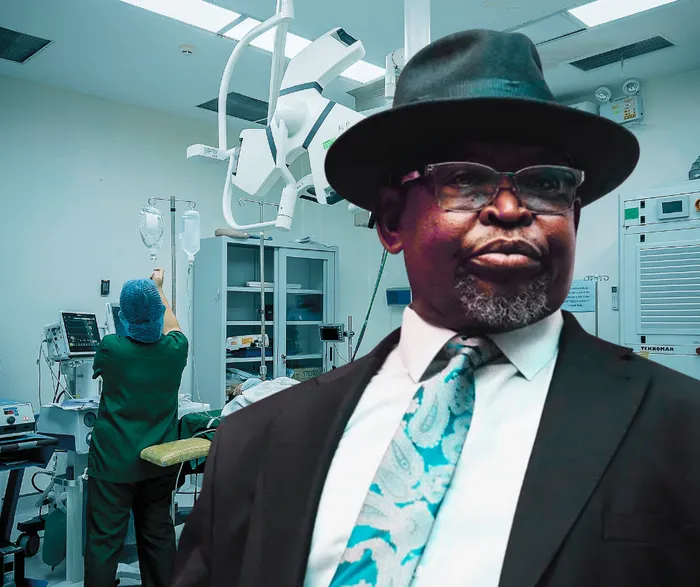
Finance Minister Enoch Godongwana did not announce a dedicated funding stream or timetable for full NHI implementation in his budget speech on Wednesday but his focus remained on stabilising provincial health services, expanding access within existing systems and absorbing new pressures through reprioritisation rather than new taxes.
Image: GCIS / IOL
Health spending in the 2026 budget signals continued consolidation of the public healthcare system that underpins National Health Insurance, even as President Cyril Ramaphosa has paused the formal rollout of the NHI Act pending a Constitutional Court challenge.
Finance Minister Enoch Godongwana did not announce a dedicated funding stream or timetable for full NHI implementation in his budget speech on Wednesday but his focus remained on stabilising provincial health services, expanding access within existing systems and absorbing new pressures through reprioritisation rather than new taxes.
Treasury allocated R21.3 billion to the health sector over the medium term to support the compensation and employment of doctors and to cover shortfalls in goods and services. Provinces will also receive R26 billion to strengthen the HIV and AIDS programme, including prevention of mother to child transmission and antiretroviral treatment.
Godongwana confirmed that provinces would be required to repurpose part of their existing budgets to meet obligations previously supported by the US President’s Emergency Plan for AIDS Relief, following the withdrawal of that funding. Treasury framed the move as part of its targeted and responsible savings initiative, increasing pressure on provincial health departments to maintain services within tighter fiscal limits.
Health services currently reach about 84 percent of the population through public facilities. Treasury again positioned this system as the foundation for future universal health coverage, even though the NHI Act itself remains on hold.
Ramaphosa signed the NHI Bill into law in May 2024, but the Act does not take effect automatically. Its provisions must be brought into force by presidential proclamation. This week, the Presidency said Ramaphosa had agreed to delay proclaiming any sections of the Act until the Constitutional Court rules on challenges to the legislative process.
The main case before the court centres on whether Parliament met constitutional requirements for meaningful public participation when it processed the Bill.
The matter is expected to be heard in May. Until judgment is delivered, government has undertaken not to proceed with implementation.
The budget however signals limited fiscal room for major new commitments. Debt is expected to stabilise at 78.9 percent of GDP in 2025 and decline thereafter, constraining scope for rapid expansion of healthcare spending.
IOL News