
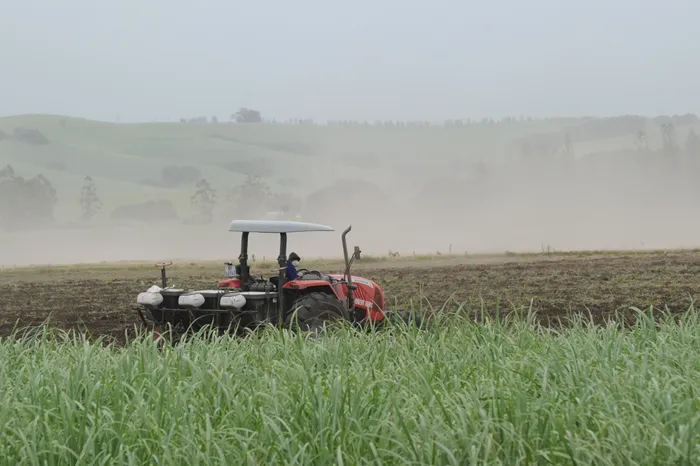
KwaZulu-Natal’s agricultural sector is reeling after natural disasters this financial year wiped out an estimated R65 million worth of crops and livestock.
Image: Independent Newspapers Archives
KwaZulu-Natal’s agricultural sector is reeling after natural disasters this financial year wiped out an estimated R65 million worth of crops and livestock.
This was revealed by KwaZulu-Natal MEC for Agriculture and Rural Development, Thembeni Madlopha-Mthethwa, who highlighted the devastating impact of floods, storms, and climate change on rural farming communities.
According to reports, despite these losses, affected farmers have yet to receive compensation from the government, leaving many struggling with mounting debts.
IOL previously reported that members of the KwaZulu-Natal Legislature called on the national government to expedite the payment of R65 million in compensation to farmers affected by flood damage.
In a statement issued to the media, the Democratic Alliance (DA) also called for the establishment of a provincial agricultural disaster risk and recovery fund to provide transparent and fair compensation to farmers affected by natural disasters.
"The principle of state responsibility is clear: when disasters strike, the government has a duty to step in. The principle of fairness is equally clear: farmers who feed the nation should not be abandoned when nature takes away their ability to do so". The DA said.
IOL previously said that farmers across South Africa have been warned to increase fire prevention efforts, as the growing threat of veld fires may destroy crops and livestock, leading to even higher food prices.
Dawie Maree, Head of Information and Marketing, FNB Agriculture, warned that with food prices already rising in the country.
“Considering South Africa’s escalating food price inflation and the ongoing challenges faced by farmers, this adds to food security issues by impacting both the supply and price of food,” Maree said.
Maree added that the losses are severe, with large areas of crops and grazing land destroyed, livestock deaths, and damage to expensive farm infrastructure, making it difficult for many farmers to recover quickly.
mthobisi.nozulela@iol.co.za
IOL Business